Although the Quick Settings on Android allows for quick access to key controls, it was not a default setup that really worked out my daily routine. Luckily, you can change the layout to your liking with a few hacks. I reworked my Quick Settings to fit with my own workflow, here’s how you can do the same.
Good to know : learn how to add custom gestures on Android and personalize your phone even more.
Explore Your Unused Android Quick Settings Tiles
I’m looking through your Android’s uninstalled Quick Settings. Your phone will default display a set of tiles by the same set as your . Depending on the manufacturer, this can vary from phone to phone. My Honor phone, for example, has AI subtitles or Link to Windows tiles (you can quickly connect between Android and Windows) which are not on my Pixel phone.
You will only see tiles of your Android when you are out of the box, but it’s important to look at those that are not activated. Some of the best options you can think of that are better for yourself than the default ones. My phone is often calculating for instance. I added a Tile in the Calculator to my Quick Settings, and instead of just looking up the calculator app every time. If I have the phone one-handed, it allows me to instantly get into it (even if using the same device).
If you add a new tile, swipe up from the top of the screen to access the Quick Settings. To see more, Swipe downwards on the lower tiles to lift up a . Press in the lower right corner Pencil icon on this press button.
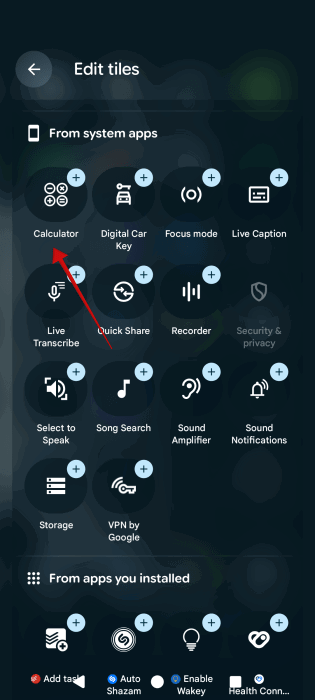
At the top, you will see the tiles of active at that top. Scroll down to see the inactive s. Check the From system apps section, that should be populated by quite a few s. The tile Calculator is here you should find the. These could also be listed in a list with no categories on other phone models, such as . Tap on it to add to Quick Settings.
Tip : easily run Android apps on Linux with Waydroid.
Add New Tiles from Installed Apps
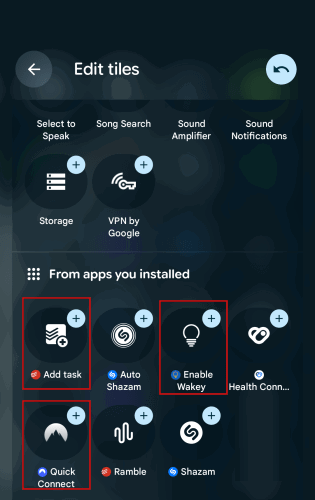
The only thing you may not know about is that some of your installed apps have tiles for Quick Settings. example, NordVPN for instance). This VPN app is a common option for my phone and I was surprised to find that it also has til for Quick Settings.
This is the tile that was in the From apps you installed section on my Pixel phone, but it may not be so easy to find this tile on other models. On my Honor phone, I searched the NordVPN tile by browsing the list of inactive tiles and using the app icon as a visual reference. In Quick Settings, the NordVPN tile allows me to connect with a random server just by activating it once added in that particular instance.
FYI : want to have a little fun? Turn yourself into an Android character.
Create Custom Tiles with Third-Party Apps
If your most-used apps don’t have a tile to the Quick Settings, it isn’T bad. Using a third-party app like Tile Shortcuts, you can make ’til for any app and more’ with the help of tile maker.
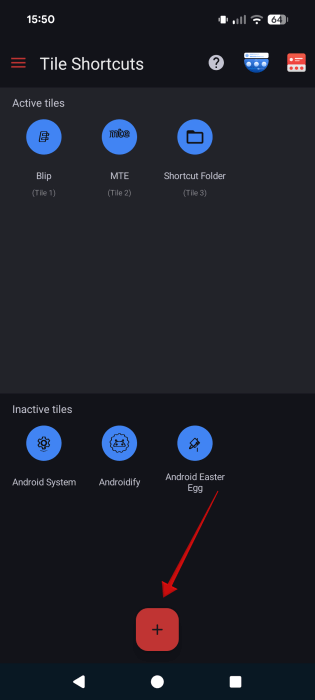
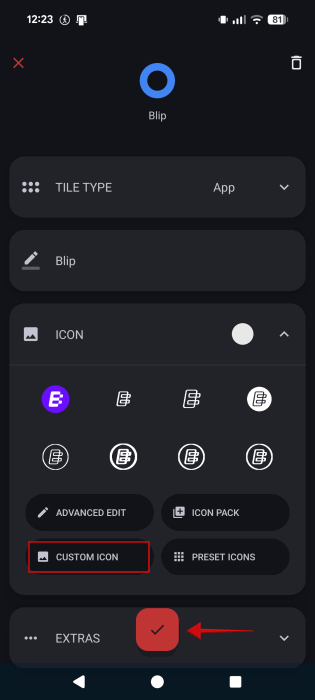
Open the app and press the red + button at the bottom.
Select APP under Tile Type. Select the app in question from the list of apps that appears.
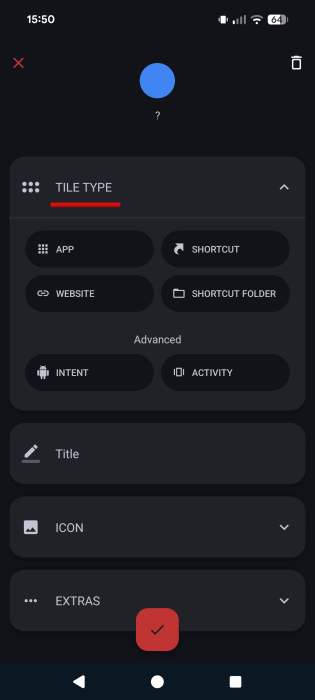
Pick an icon for your tile. You can even add a custom icon from your gallery if you want.
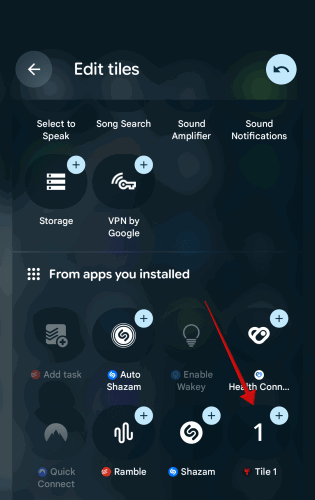
Next, return to Quick Settings and activate the edit mode. From installed apps, you should look up the new tile at the bottom of this tile (all the way under from installed applications). Upon the tile, it will be marked with 1-1 () and is on the tiles. Activate it, and when you see it in your Quick Settings will show the app’s logo on top.
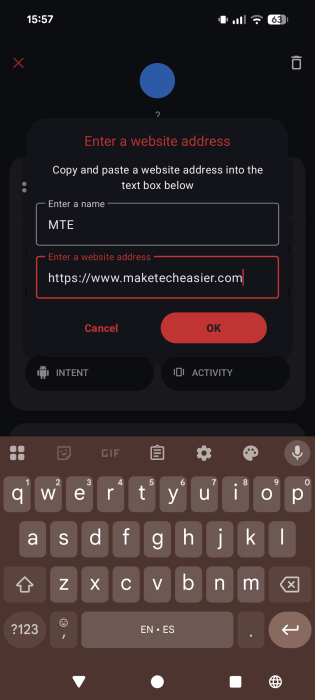
What I like most about Tile Shortcuts is that it even allows you to make tiles for websites. Granted, it’s a part of the paid service but you can get it in return for if you make fewer than $1 per-time payment. 49. It’s a lifesaver for someone who constantly checks some websites multiple times – every day.
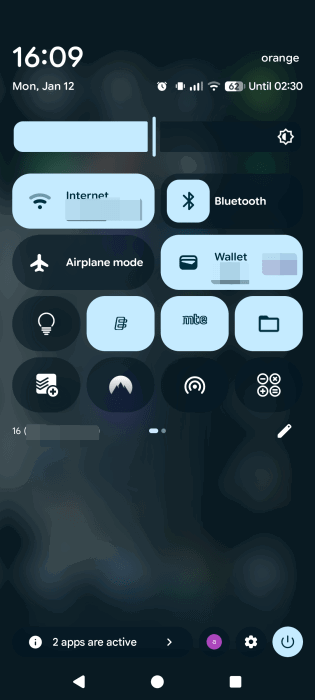
What is the best way to name your tile and then add the URL? Press OK Press Press **ok****. Designed an MTE tile and updated the logo of my M Te, I made it easy to distinguish from its tiles.
The new tile will show up in the Quick Settings edit menu marked with the number 2.
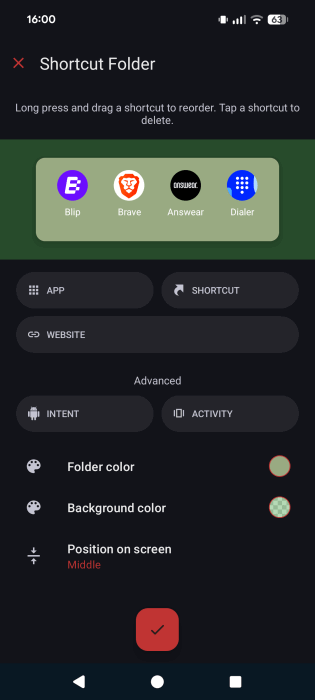
In the paid version, Tile Shortcuts also allows me to create tiles for shortcuts like starting a new WhatsApp chat, accessing Contacts or the Dialer. Then you can create a folder tile, which will include apps of your choice, shortcuts and/or websites.
Resize Your Quick Tiles
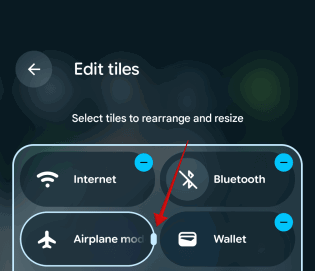
I like the stock look and decided not to change it, while there are apps that can visually refresh Android’s Quick Settings. Pixel phone users can use a simple, but useful tweak to further personalise the layout changing the tiles. Alternatively, you can choose to shrink down the size of the standard tiles so you fit more in a row.
press a tile on ’tiling in Quick Settings edit screen’. An appropriate handle should be on the right side of a . To make the tile smaller, drag it to the right and re-size .
Here’s how my overall setup ended up looking like.
Whether customization is free, Android is about the freedom of . Here’s a good way to improve your home screen by adding (one or more of) these widgets, like .
Thanks for reading How I Customized Android Quick Settings for Ultimate Productivity
