It has been often cited as one of the most powerful and flexible operating systems available today, especially Linux. This enables the majority of internet access and powering servers, supporting developers (and giving users complete control over their system) and providing users with full control. It also is praised as a good replacement for Windows, especially when you want to quit Windows. Yet despite all these strengths, Linux is not always the best option for everyone. It is based on your needs, skills and expectations for the right operating system; Linux may not be all of them as it should be.
This guide explains why many users prefer Linux and also how it may be not for everyone to use the same language.
Why Linux Is Considered Great
Linux stands out because it offers freedom, control, and transparency that other operating systems do not always provide.
The most notable features of Linux are its free, open source and open-source programming that is one of the biggest strengths. It does not require licenses or subscriptions to use , and you do not need to pay for it. The Linux is available to download, learn its code and modify it for anyone who can then share with others. Linux is particularly popular among students, developers and people who want to know how an operating system works in a way that’s so open.
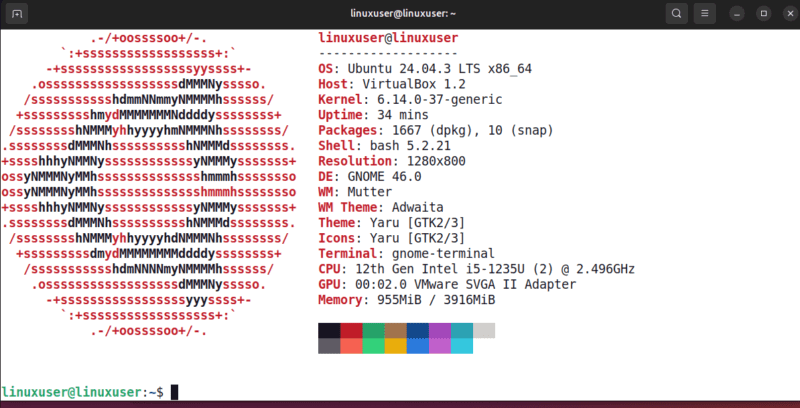
A strong point of defense is security. The Linux permission system is strong, and it limits the apps that can be used or users to do a user’s application. This is a way to reduce security risks associated with most Linux distros that receive frequent updates and patches from active communities. Linux is a heavily less common language than other platforms, although there is malware on Linux.
It also has a very flexible Linux . A user can choose desktop environments, change system behavior and fine-tune performance according to their preferences. It is such control that Linux can run efficiently on both old hardware and modern high-performance machines.
Linux is also often the preferred environment for developers and system administrators to use as a . It also provides powerful command-line tools, native support for programming languages, easy package management and seamless access to servers and containers.
The strength of the community is another big advantage for s. Linux users provide guides, tutorials, forums and documentation for the . Most of the time, if you have a problem, someone else has already solved it and posted the answer online.
Even with all its strengths, Linux has real challenges, especially for users who value simplicity and consistency over control.
The Learning Curve Is Still There
While Linux has become more user-friendly in the years, it still feels very different from Windows and macOS. Linux doesn’t use the same standardized user interface as one, for example, with an individual user. Instead, it provides multiple desktop environments (including its own layout, settings and behavior) that can be confusing for beginners.
Some work beyond interface, such as using the terminal, managing packages or editing configuration files. They are powerful tools but can be intimidating for users who just want things to work.
Linux can be a rewarding learning and testing tool for those who like learning/experimenting. It can feel overwhelming and take some time to get things done for others, like s.
The stronger open source, as well as platform-independent tools, have made Linux more capable of professional use. GIMP, LibreOffice and FreeCAD are now powerful applications such as apps that can be used for creative, office or technical work.
Still, they are a step away from industry-standard software like Adobe Photoshop (the first version of the program), Premiere Pro (which is still in use today) Microsoft Office or AutoCAD. Prompt productivity, especially for professionals working under tight deadlines, can be hampered by differences in shortcuts and workflows as well as muscle memory.

Meanwhile, many commercial applications do not support native Linux versions of their respective operating systems. While there are workarounds such as Wine, Proton or virtual machines (though they can be complex and sometimes unreliable). Linux can also require additional work to achieve the same results as Windows or macOS for users who rely on certain proprietary software.
Hardware and Driver Support Can Be Unpredictable
Linux is a widely distributed hardware support system, but support is not always seamless. While some devices work perfectly out of the box, many need to be manually configured or may not even function at all.
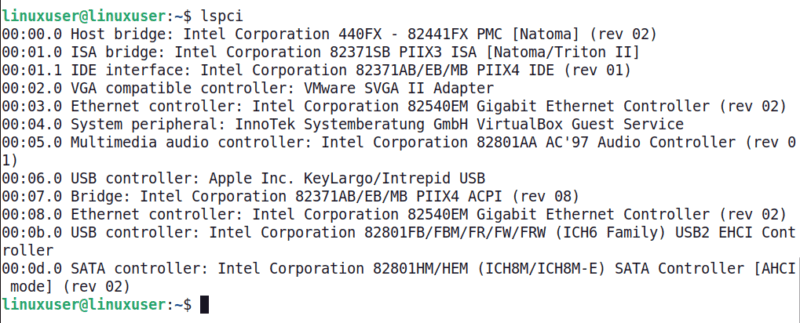
Wi-Fi and Bluetooth adapters, NVIDIA graphics drivers, printers, audio interfaces or specialized peripherals are common problem areas. System updates can sometimes break drivers, causing users to troubleshoot problems that had never been encountered before even when hardware is supported.
Gaming Has Improved, but It Is Still Not Effortless
With Proton and Steam Deck/SteamOS growing support for Linux gaming, Linux has also become a major development in the field of Linux. There are now a number of well-known titles, and Steam’s market share for Linux has increased.
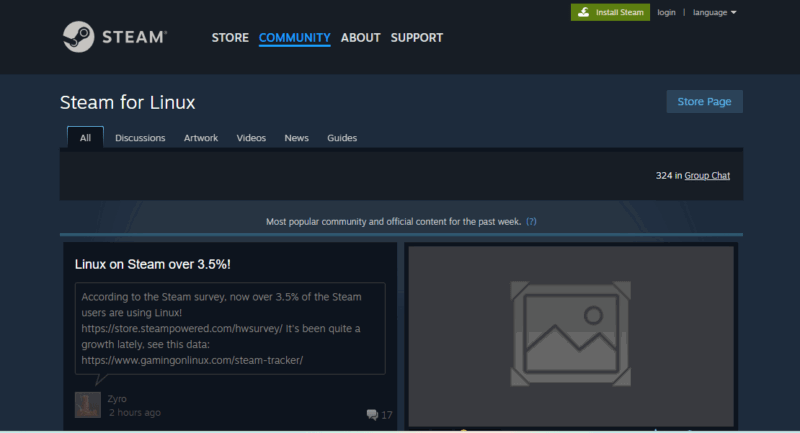
However, anti-cheat systems and some competitive multiplayer games can be problematic. Windows could also still be preferred by users who are looking for maximum game compatibility with minimal setup.
“Free” Often Means Paying with Time
Although it does not cost money to use Linux, it often takes time and sometimes costs a lot of time. The installation of the system, configuring it, fixing problems and maintaining stability can require research and experimentation to be done. No official support line is usually available when s break a thing.
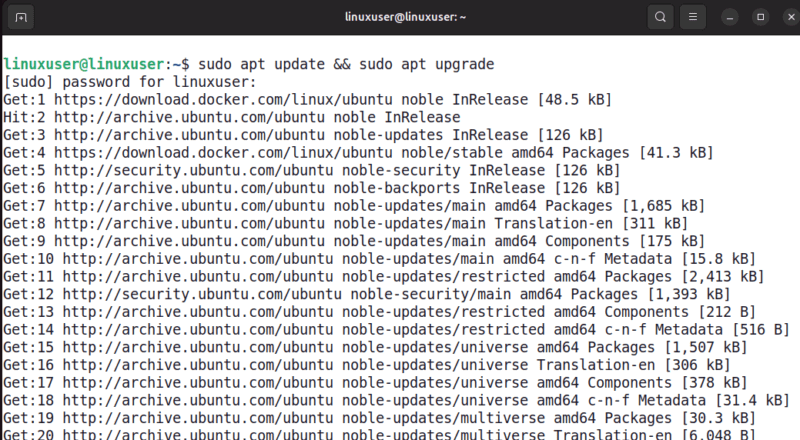
For problem-solvers and curious users, this process can be enjoyable. For others, it can feel like unpaid technical work.
Community Support Is Helpful but Not Always Beginner-Friendly
linux communities, who are knowledgeable and passionate about Linux but generally ask for user research issues to be answered before asking questions. It is a culture where learning is encouraged, but it’s also intimidating for beginners who just want simple answers.
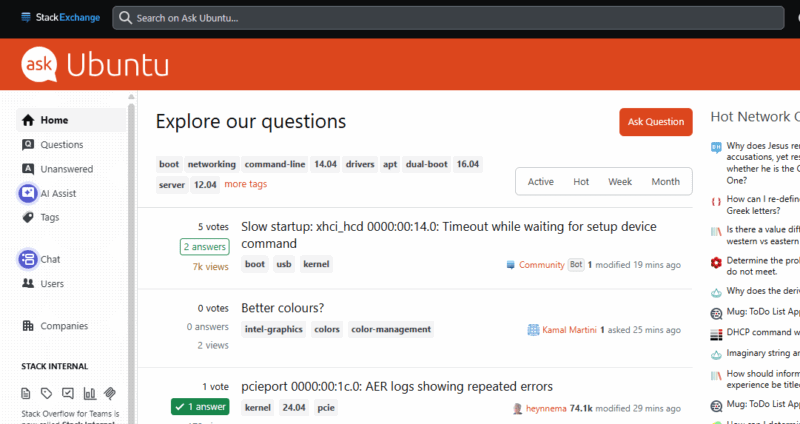
There is also no single, centralized support system unless you pay for enterprise-level services.
Who Linux Is Best Suited For
For users who like learning, testing and having more control over their system, Linux is a good choice for the user to use it. And it is particularly well-suited to developers and system administrators, student in technical disciplines as well as users who value privacy and security. Linux is also the best for those who want to breathe new life into older hardware or avoid software licenses.
Nevertheless, it may be not the best option for casual users who would like a system that operates out of box with minimal setup. Those who use the latest titles, creative professionals that depend on industry-standard software and businesses that need guaranteed vendor support may consider Windows or macOS as a better option for gamers.
Should You Try Linux?
**Yes, but realistically hoped****. I don’t think everything you hear about good Linux is the one. Have yourself try it out and, for a while, see if you like it or not. In addition to running it from a Live USB, installing it in vp machine or dual-booting with your current operating system, the safest Linux exploration methods are “I have run this program on my computer and I am using an emulator like Ubuntu. ** **
Thanks for reading Linux is Great but It May Not Be For You
