When using a Mac you might have noticed that while the Finder shows the size of individual files in List view, folder sizes are hidden by default behind – pair of dashes (–) file. Sometimes, it’s necessary to know how much space a folder actually occupies in order to be sure that the file is properly stored. We’ll explain to you how to see folder sizes in Finder and better understand your storage space in this article.
My Mac is now finally able to display your clipboard history as it has updated with the latest macOS 26 Tahoe update. ** **
- Use the Calculate all Sizes Option
The macOS hides folder sizes in Finder so that performance snappy is retained to keep the file size small enough for use with MacOS. However, there will be times when you know exactly how much space a folder occupies is truly useful. For instance, if you have to see the sizes of several folders at once or want to always see that folder size, you should activate the Calculate all Sizes option.
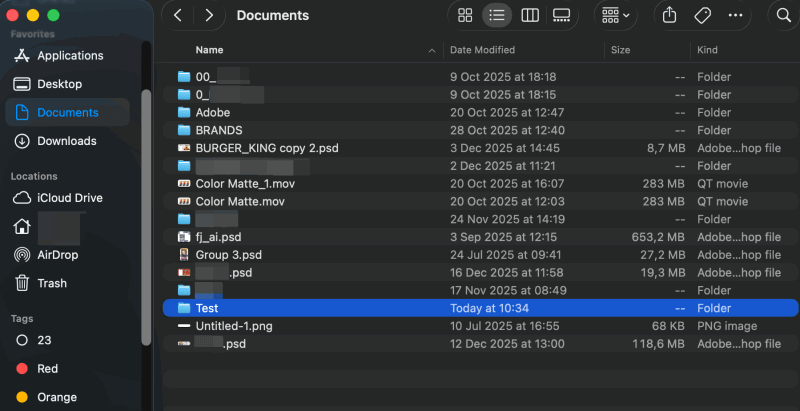
If you have a Mac, click the Finder icon in the dock at the bottom of the Dock to see your on your Mac. navigate through a directory of several folders, including ‘s.
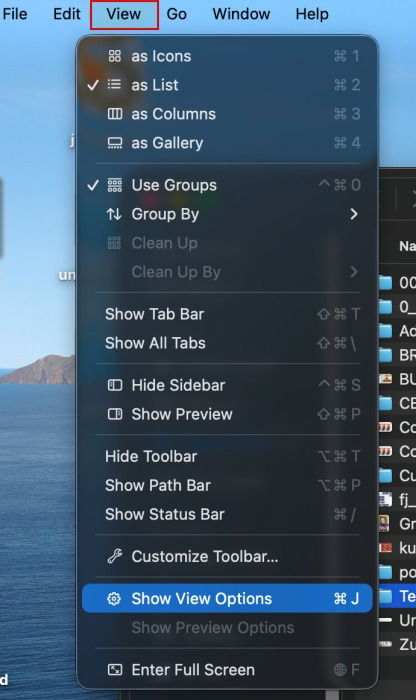
Select View -> Show View Options or press Command + J.
Check the Calculate all sizes option all the way to the bottom. The folder size info will now be visible.
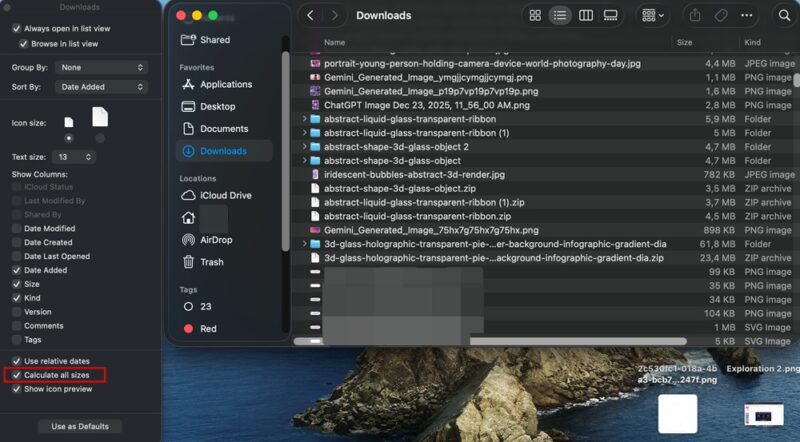
If you leave this window open, and can now easily move to another folder in your Finder window. Rather go ahead and enable the same option to see folder sizes at here, as well as this location.
To reverse the folder size view, all you have to do is uncheck the Calculate all sizes option.
Tip : if Finder stops working on your Mac, try these fixes.
- Switch to the Preview Panel
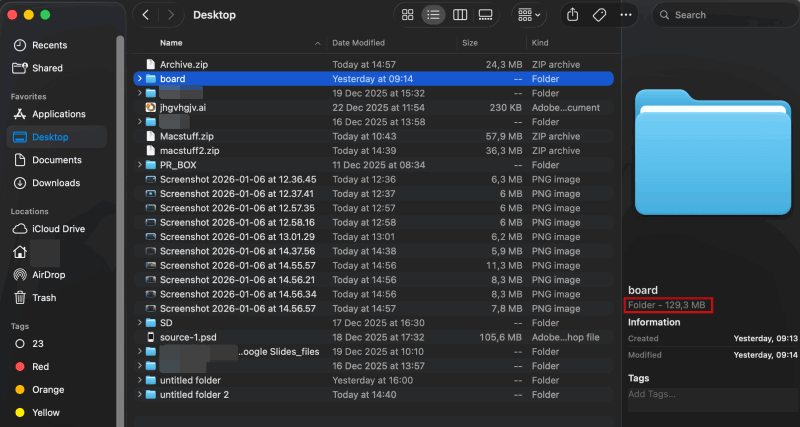
The preview panel is quickly turned on, allowing you to see the info from there if you have to check folder sizes sporadically.
In your panel, select the folder in question and press Shift + ‘Command+ – iP. For example, you can go to View -> Show Preview or just see the .
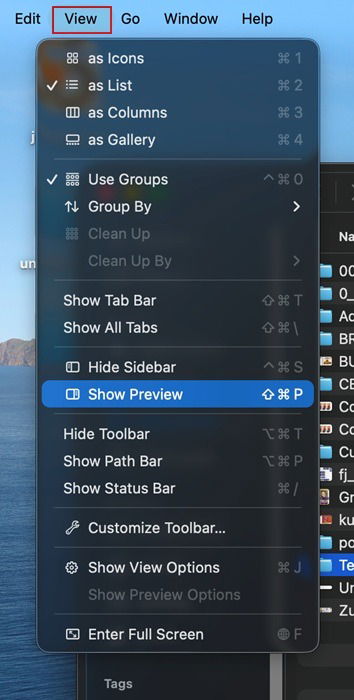
This is the right side of displaying Preview panel should be on the display’s right, -independent preview panel. Alternatively, you can see the file size directly under the name of the folder.
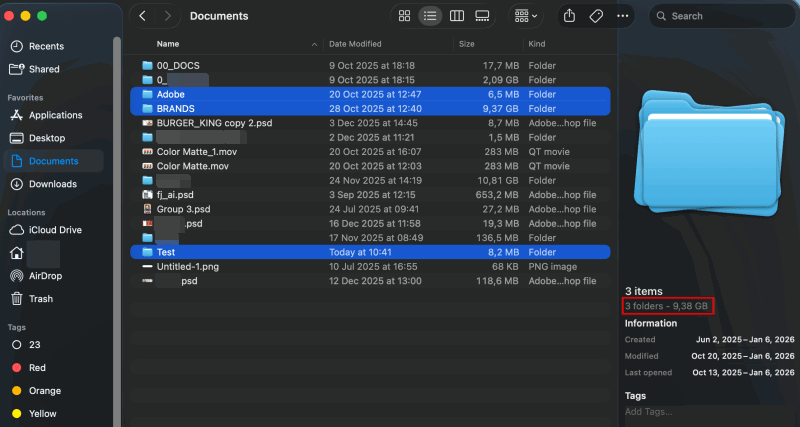
You can also select multiple folders (choice the first one, press the Commanda key and click to choose those folder). Preview panel will show you the total size of folders, which is a preview panel.
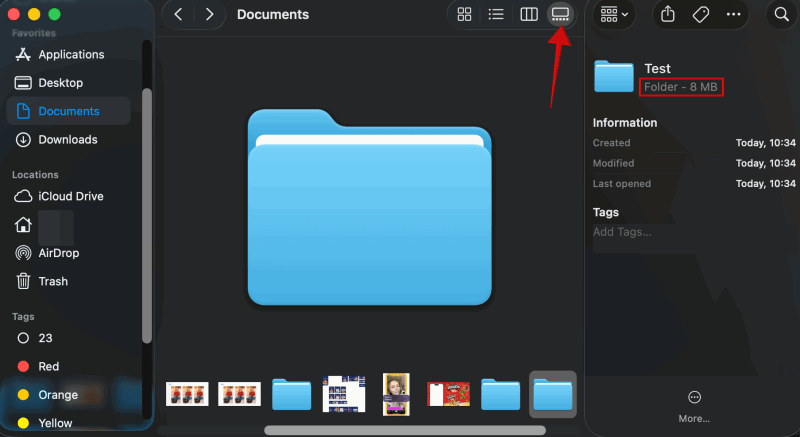
Or, you can press the last icon in the top right (the one that looks like a display on tetrayer) to turn into gallery view and also details about the total size of folders.
- Via the Get Info/Show Inspector Option
The Preview panel taking the extra space in your Finder may not be for you, but it might have been more. Rather, what you can do is mention the Get Info window.
Alternatively, navigate to the folder in question on your Mac and right-click it. Click Get info – Then select***get * press Commanda + I, or .
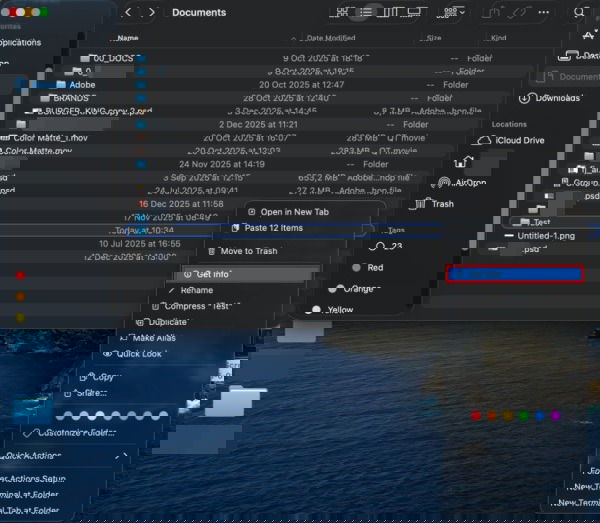
Check the Size field to view the info you’re looking for.
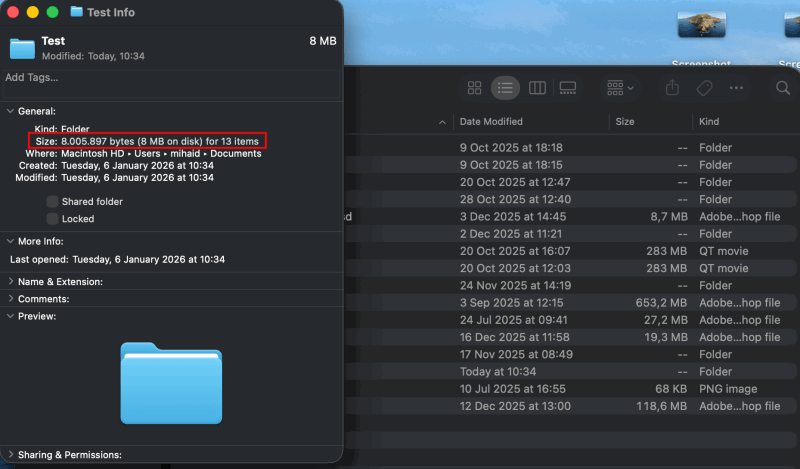
Similarly, you cannot use Get Info when you have to check multiple folder sizes in one row. Click right-click to a folder instead of , and navigate it into. Now press the Option button on . You’ll notice the Get info option is changing into Show inspector. Click it click it .
For you, a similar panel like the Get info one will appear for you. Check Size for the information you’re looking for. But if you click another folder, this time the window updates to show that information about that folder is in one of those folders.
If, on the other hand, you’re looking for ways to hide folders from view on Mac, check our suggestions.
- Use the Terminal
If you prefer to do things through the Terminal, here’s how to view multiple folder sizes at once.
Open the Terminal on your Mac (you can use Spotlight) Change to an directory with multiple folders of ? Read here to activate Terminal in the current folder folder location on Mac.
cd

~

/

Documents
Now, run the du command to view folder size for ALL the folders in your directory.
du

-h

-d

1
You should see a list of all the folders with their respective sizes alongside them.
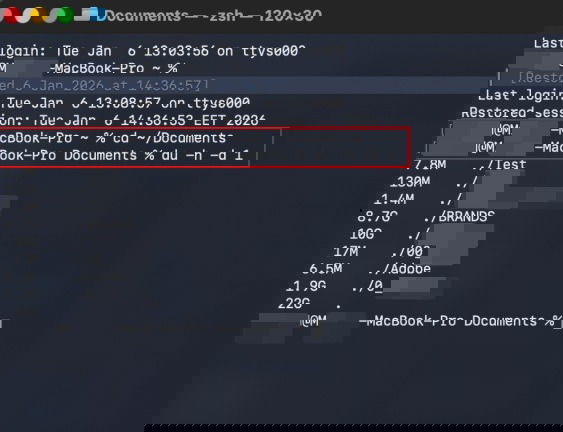
This is because macOS protects some directories via Full Disk Access if you get the “du operation not permitted” error in Terminal. These may include system folders and.
- ~/Documents
- ~/Desktop
- ~/Downloads
This is a problem that you’ll have to give Terminal full disk access to. If you click on the Apple logo in top left corner, and select System Settings, CLICK.
Go to Privacy & Security -> Full Disk Access.
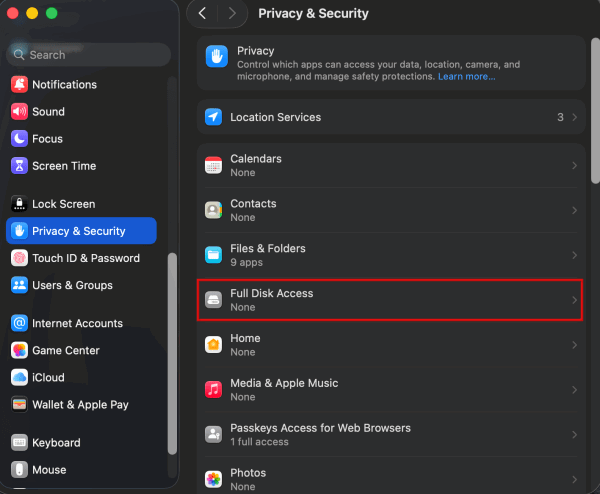
Alternatively, check to see if there is Terminal in the list? If so, switch it off. If you don’t see it, press the + button.
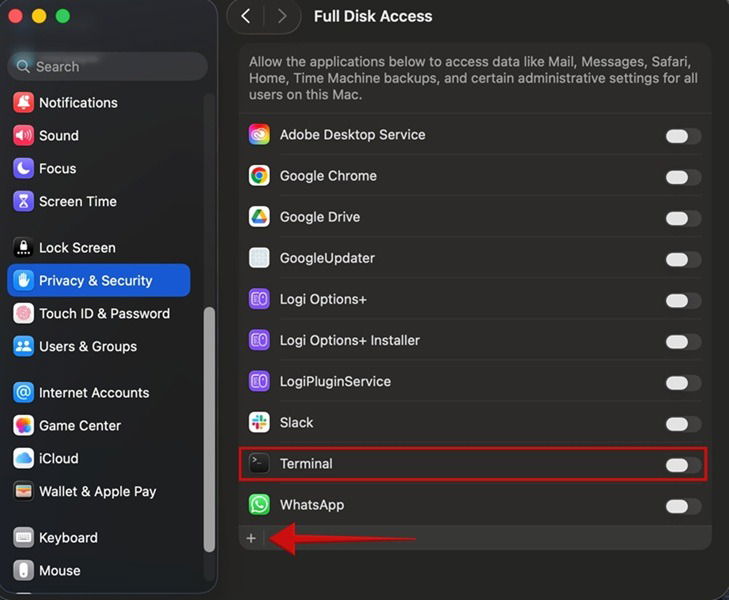
In the search bar in the upper right, search for Terminal. Press the Open button.
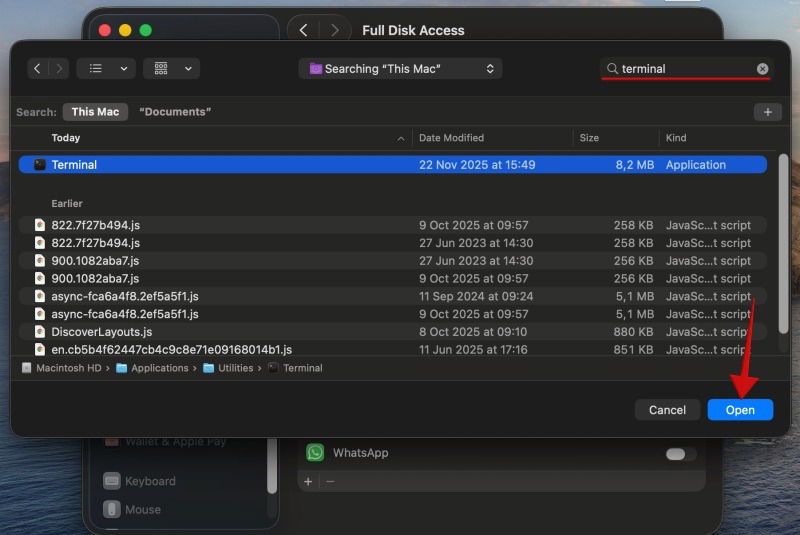
Terminal will ask to restart the terminal so that it can use the new settings. Now, run the du command again. You have to go through it,’ .
If you know how to see folder sizes in Finder on macOS, and now that you can have it taken things further. I’m looking for a good next step, learning how to bookmark an folder in Finder.
Thanks for reading Need to View Folder Size in macOS Finder? Use These Tricks
