Although most Apple products are usually security fortresses, a new macOS security flaw could expose you to hackers. The worst part is it completely bypasses Apple’s privacy controls. How can you protect yourself from ?
macOS CVE-2025-43530 Security Threat
A recent discovery by security researchers was a macOS Security flaw that they’ve identified as CVE-2025-43530. The majority of Apple devices have built-in security and privacy features that block or at least warn users about potential threats.
In this case, the flaw silently bypasses Apple’s TCC (Transparency, Consent and Control). The TCC, which runs in the background, is designed to protect users from unauthorized access to documents, microphone and camera as well as other resources that may be used to compromise a user’s privacy and safety.
The issues stem from two vulnerabilities. Once combined, hackers are able to gain access to your system.
Of course, MacOS systems rely on Apple-signed system services without any further checks. A small change in the binary was made by hackers, which turns trust processes into a malware process. As it remains Apple-signed, macOS sees as a legitimate and trusted system service since it still stands. Hackers sneak in There’s no update for , so there’s nothing to see if it has been changed.
TOCTOU (Time-of-Check–Timeof. If a process is verified by macOS and actually executes it, there’d be hardly any time difference between that’. This is where the malicious code is injected into the hole, which is also used to . If anything is wrong, your system has already verified the process as safe.
This is the two flaws that allow hackers to execute AppleScript commands and send AppleEvents to other apps on your system. After that hackers gain full access to user files and users data & input as well as microphone audio, plus many more. When your system believes in the process, there are no warnings or permission dialogs from you as it is.
One of the largest entry points at this time is currently VoiceOver screen reader service. It needs so much access to your system that it’s the best way for hackers to gain as much a hack when exploiting the vulnerabilities.
If you want to update your system with the latest security patches for macOS Tahoe 26, that’s your first defense line. a 2[/math] It also includes an update to VoiceOver addressing CVE-2025-43530.
If you want Settings from the Apple menu, click General in the left pane and open Software Update (right pan)? Your system immediately starts checking for available updates. Click Update to install the new update is now available for download by .

If you update automatically, your system should have already updated.
If your Mac isn’t compatible with Tahoe 26.2, there are still several ways to keep your system protected.
Review App Permissions
check permissions for apps regularly on macOS, including . If you never use apps, all permissions are revoked for the app. So for apps that you regularly use, make sure there aren’t any additional permissions you don’T need.
When you see questionable app permissions, it could be a sign your system’s been hacked. Hackers may still be able to exploit the vulnerabilities of your system, even if you don’t use VoiceOver. The service’s permissions are revoking, which helps protect you from the.
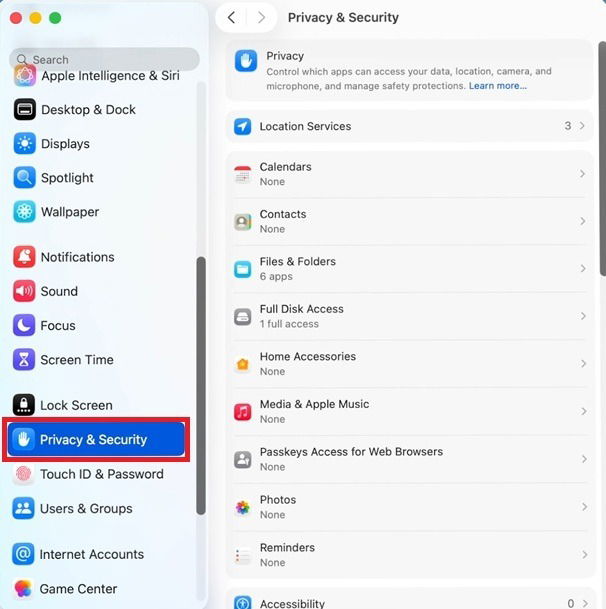
Open Settings -> Privacy & Security Review permissions per app or by type of access, review permission for Then, and the. If you want to see which apps have access of your microphone, click Microphone for example.
Even though the macOS security flaw is patched in mac OS Tahoe, this doesn’t mean that the vulnerabilities aren’T still present in older versions of MacOS. And, sadly, always follow the trusted, updated alternatives to built-in Apple services. VoiceOver (for instance) can be a good alternative to Speechify.
Apple tools have a number of alternatives to . The built-in options are easier, yes but if you’re using an older system that may not be patched it’s safer.
Should I keep any third party tools current? In contrast, most third-party tools don’t auto update themselves like with built-in Apple tools and services. If you have a habit of checking for updates at least once per week or month for frequently used tools and apps, make sure that it is not too late.
Install Third-Party Anti-Virus
Apple does a great deal of locking down macOS to protect you from the dangers that come with . And that isn’t the perfect way for a to do it. It’s also a good idea to install if you can use the built-in settings to fully secure your Mac, but it’s even better to do so with hacked antivirus.
The reputable antivirus, while hackers may be around Apple’s TCC, often detects unusual scripting and events. That is, it helps you remove the problem from your Then. In some cases, you have to factory reset and start fresh so your system isn’t still hacked.
Attempts to use an antivirus that provides more than just basic scanning for ? It’s a phrase you want to see in person, protect yourself from phishing, firewall integration and more. Which is a good option to consider, Malwarebytes or Intego Mac Internet Security X9?
Avoid Downloading Untrusted Files
You’d lose your system if something as simple as downloading a free PDF could compromise your systems. A hacker could not only exploit the new macOS security flaw, but they may also gain access through other vulnerabilities (especially older systems) such as a breach that was already possible in its latest mac OS.
Another reason to double your protection is that Apple’s built-in tools and a third-party antivirus catch almost anything malicious. This is a multi-layer approach to protecting yourself from CVE-2025-43530, and also helps protect you against any future threats.
Thanks for reading Protect Yourself From the macOS Flaw that Bypasses Apple Privacy Controls
