Don’t use a smartphone to search for information or take pictures of someone who is paraphrasing themselves. Using the right pair of smart glasses that you can use with your convenient, hands-free smarts just to make it work. Nevertheless, so many people don’t know about the privacy risks of smart glasses that are prevalent in most individuals.
You Turn into a Surveillance Camera
Certainly smart glasses allow you to turn off recording (although it does not mean that the area is still scanned in order to provide information when you ask for answers). In recording mode, when they’re in a surveillance camera on your face, it’s like wearing. It is the worst part of this data that’s stored, and end users never really know how it’s used.
Increases the Risk of Biometric Data Leaks
Tech giants are claiming we can be biometrics, but even though our biometry data is the Fort Knox of passwords it could be compromised. In 2018 back, AI was already faking fingerprints and the technology’s only got more advanced.
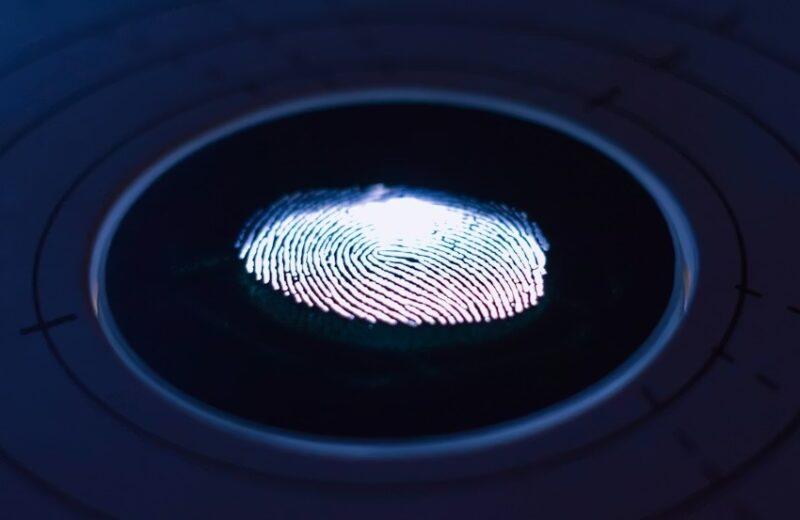
Image source: Unsplash
As more users happily slapped pairs of Meta AI Glasses or any other smart glasses with cameras, the more biometric data that’s stored is saved. your camera captures every face you see. The millions of biometrics for the hacked data could be compromised if any of this data is Hacked. It is not possible to change this data – unlike passwords, like you can’t change it.
Bystanders Don’t Get to Consent
Would be happy if you were talking to a stranger that was random and recorded the whole conversation? I’m probably not sure. Consent is one of the biggest privacy concerns for smart glasses. Often, bystanders don’t even know you’re wearing smart glasses. They don’t know they are being recorded as s. While some glasses are a little light when recording, other glasses don’t.
Makes Things Awkward With Friends and Family
Just recently received a shiny new pair of smart glasses and now your friends and family are suddenly too busy to hang out. What’s the point of paraphrasing a person doesn’t want you to record them? They don’t want their lives recorded by your glasses. If I was wearing a pair of s and my friends and family would be awkward, it’s not going to talk or do much about anything around me.
You Don’t Know How Your Data is Used
My biggest fear is that data ownership is the smart glasses privacy risk I’m most concerned about. CAREfully read the terms of service by . Suppose you have all the data your glasses collect, for example, camera recordings, voice recording and location tracking etc. You don’t think you can . These tools help you make it easier to understand all the slang for terms of service.

Image source: Unsplash
You are usually coding AI with your data; you create detailed user profiles for advertisers like what Meta AI is doing with the chats, or share your information with third parties to research. If you delete your account, however, your data’s still stored and used as a .
Plus, any apps use their own data collection/use policy and have their respective usage policies. Privacy and safety Excessive permissions or malware-ridden apps are another threat to your privacy and security. Such threats apply to even iOS and Android smartphone apps storehouses but are now less restricted in smart glasses app stores that encourage developers.
Collect Far More Than Video
Opinion I think video collection alone is creepy, especially when you don’t know what the manufacturer or any smart glasses apps are doing with those videos. But not all your smart glasses collect, though, that’s not everything you know about .
Turn off the recording option, and there are still massive smart glasses privacy risks associated with a host of other large-scale smart glass Privacy threats. You still record in real-time location, how you interact with the environment, interactional timing and more. It is then gathered to create detailed profiles of your habits, shopping and eating preferences, political and religious tastes (and even your relationships) in the right hands.
No Offline Mode Available
All smart glasses are based on real-time access to information. For this, it is a process that requires Internet access and cloud processing of s. s do not have an off-line or privacy option. Whenever you ask the same question or determine what an object is, or trigger the AI assistant, your data’s being transferred back and forth.
Too Easy to Wear in Private or Sensitive Environments
A small camera, but smart glasses are almost the same as standard glasses. You don’t even know what you’re wearing s. Trying to know if I am being recorded or not, and have been watching closely for the most part, I’ve found myself paying close attention.

Image source: Unsplash
If you walk into a school, locker room, hospital, courtroom, business meeting (one’s home), someone’d house or anywhere else where recording is prohibited. They’re a bit of slang, you might forget you’re wearing them and record very private incidents and people (including minors) without permission. You could be blamed if any of the data leaks were to you,’ .
Of course, I’m not even getting into the people who’d purposely try to do this.
Influences What You Notice
Several smart glasses have AR (artificial reality) overlays to attract your attention to some of the things that you see in many smart glass. It can include promoting advertisements sponsored content, encouraging people to visit one business over another and purposely hide some information so you decide what the manufacturer or app developer wants you to do.
Increased Eye Strain and Headaches
In contrast to your smartphone, at all times you can see the right of your smart glasses in your front of a person’s eyes. While most are meant to be harmless to your eyes, trying to focus on the world around you and the tiny overlays directly in front of your eye strain much more than just using a normal phone screen. This also causes headaches for s.
And, just like smartphones, users who become too dependent on them may harm their eyes over time from overuse.
Even More Distracting Than Phones
My is that if I was walking and not people wereglued to my smartphones, I’m pretty sure I could compete in the Olympics. Just imagine having the screen one inch (or more) away from your eyes, especially when walking or driving. Suppose that the wearer sees everything in front of them, this is what they believe to be true. But in real life, they’re probably more likely to focus on the overlays. But I don’t want me to be that person.

Image source: Unsplash
No Real Benefits Over Phones
I don’t think smart glasses privacy risks are the most convenient option to me. I think they essentially copy my phone’s features. Nevertheless, my phone gives me more control over my privacy and the privacy of others around me. How can I care about my phone and two devices when it is all that I really need?
Thanks for reading The Smart Glasses Privacy and Safety Risks That You Need to Know Before Buying
