Our laptops have never been able to store more personal data than smartphones. It stores your pictures and bank details, contact information, location data, work account, banking apps & private messages. The CISA’s mobile security tips are easy and effective ways to lock things down without much hassle, with spyware and hacks on the rise.
Making these quick changes can prevent serious problems such as data theft or unauthorized access to your accounts.
What’s the Real Threat to Your Phone?
Spies no longer need spies anymore, but they now use spyware. Mobile attack has spread to such a high level in 2025 that it affects everyday users. paraphrasing, such as attacks that install harmful software without you tapping something. In some cases, hackers may pretend to be your contacts or send urgent alerts such as delivery notices or security warnings to gain access (which leads to listening in or data theft).
CISA (U.S) Why is this show referred to by Incidents like this? A , S. But it was now time for Cybersecurity and Infrastructure Security Agency to update its mobile security tips. The most common entrance point is that these tips are close to the entry points before attackers can exploit their weaknesses.
In addition to understanding how common threats such as viruses, worms and Trojans, spyware or malware differ from each other, the ability for early detection of these threats is also more important.
Enable Encrypted RCS Chats in Google Messages
Unlike traditional SMS, which can be intercepted by anyone with the right tools, RCS messaging on Android provides end-to-end encryption for text conversations. It’s a common way attackers take over accounts when stolen verification codes sent via SMS are the CISA recommended for this.
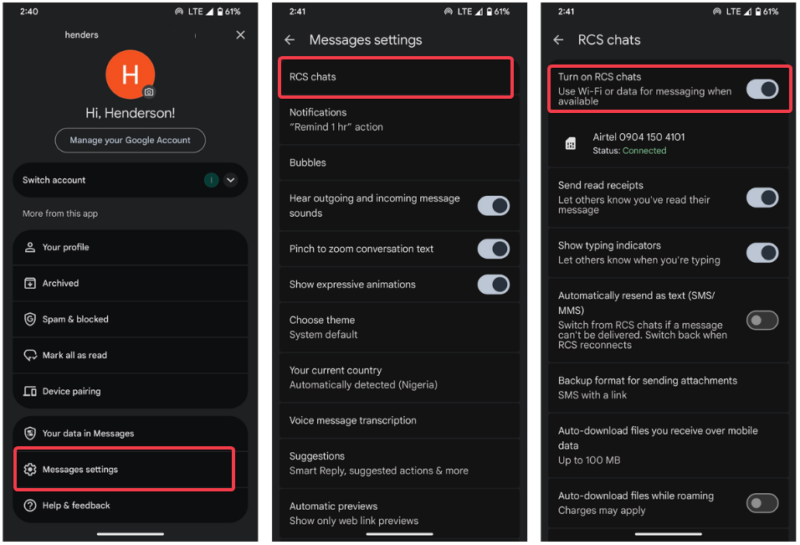
It is safer to text everyday without worrying about someone reading your private messages for most people, especially if you’re on the same line. For example, if you turn it on, open Google Messages, tap **profile picture–> messages settings -> RCS chats*** and turn on the toggle.
Use a Secure Private DNS
Using the safest Private DNS provider (e.g. Cloudflare’s 1 – for example) Paraphrasing 1. 1/ 1 When using Chrome’s HTTPS-only mode encrypts your Internet searches and web traffic, you are more likely to be seen by other people when they do it (especially on public Wi-Fi networks) in the same way as 1 or 1.
Among the CISA’s emphasis on this protection against attacks that listen in on insecure connections, it is important to highlight this protect from attack. This means more privacy and less chance of personal information being captured.
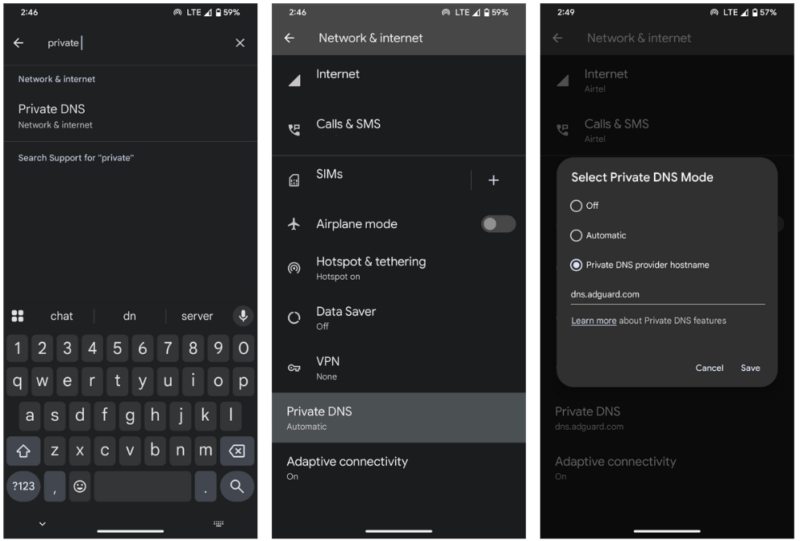
To set private DNS, go to Settings, search for private DNS, and choose a trusted provider.
Enable Enhanced Safe Browsing in the Browser
This allows you to be alerted to dangerous websites before visiting them. Using this simple setting, which prevents accidental visits to sites designed to steal your login details as phishing attempts increase, helps avoid the use of s.

To enable it in Chrome, you tap the Menu -> Settings (-> Privacy and security) to safe browsing as well as selecting Enhanced protection. Also, you can activate Always use safe connections.
Keep Google Play Protect Active
When enabled, it automatically checks apps for threats and warns you about dangerous ones. The CISA says it is important to avoid apps installed from outside the Play Store, as those often contain hidden malware. It is important to protect against banking threats such as the Godfather malware that are being used in banking.

A built in scanner gives you protection without extra apps, such as . You can occasionally run a manual scan through Play Store -> Profile – Play Protect for peace of mind, and hit **Scan****.
One of the most important recommendations is to choose a phone that receives regular security updates for several years. The CISA points this out because phones that stop receiving updates become more targets over time. A phone with long-term support means less worries about new threats and fewer needs to be replaced frequently, as is the case for buying a phone.
In addition, following these security tips greatly reduces the risk of infection. Several Android security features already include useful Android apps like Play Protect and detailed permission controls that work well when enabled. These general steps will help you adapt and protect privacy and security on Android for broader control.
Enable Lockdown Mode
Certain advanced features of the iPhone that spyware often exploits, such as complex web content or messages from unknown senders, are limited by this setting. The only minor changes to how you normally use your phone are a strong defense against hidden monitoring.
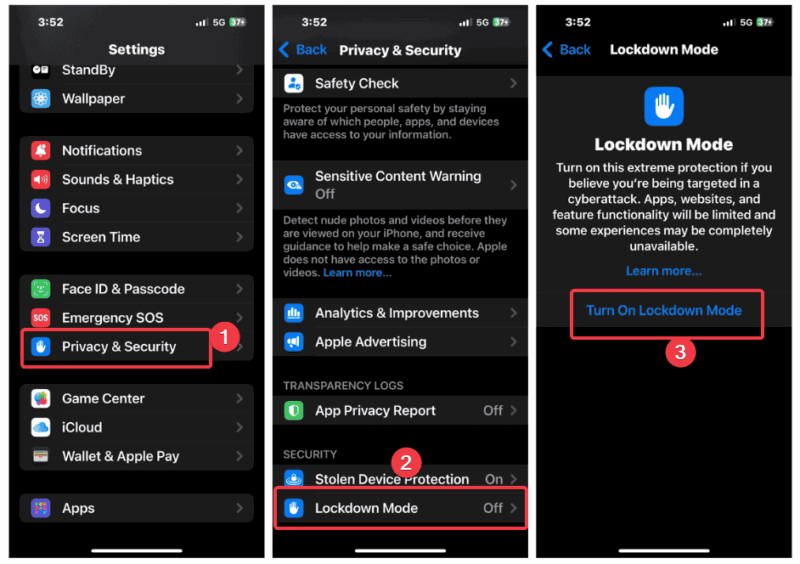
While some features may not be available after you enable the mode, it’s a good price to pay for total protection. In order to turn it on, go to Settings -> Privacy & Security and select Lockdown Mode.
Enable iCloud Private Relay
After being active, it hides your IP address and enables DNS queries to be protected so that you can protect your browsing activities. It also makes it harder for others to track you, especially on shared networks.
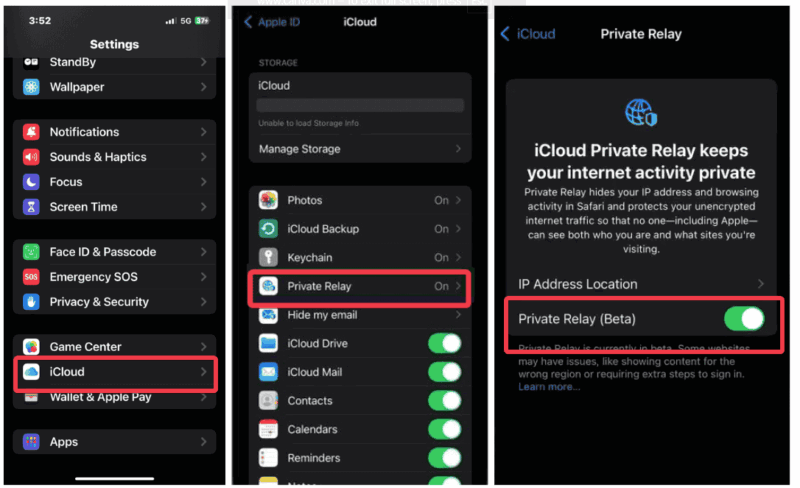
It’s a payoff where you browse anonymously, without being targeted by ads and potential hacks. It can be activated in Settings -> Apple ID, iCloud – Private Relay and turn it on.
Disable SMS fallback in Messages
If messages are encrypted when iMessage switches to SMS, they lose encryption. If you want to ensure full encryption at all times, disable this in Settings ->Apps and Messages (and turn off Send as SMS) for the purpose of providing full encrypted access.
Regularly review and restrict app permissions
Many apps ask for access to the camera, microphone or location when it’s not necessary. Having this access helps reduce the risk of data leaks to advertisers or hackers and improve your privacy. For a management, visit the iOS security settings and adjust per app settings to use .

For me, pairing Lockdown Mode with tight permission management has improved my iPhone’s data privacy.
Other Recommended Security Practices for Everyone
You can try the following alongside the CISA mobile security tips for improved protection regardless of your phone’s OS.
For example, * use a password manager (like the built-in ones from Apple or Google) to create and store strong, unique passwords while alerting you when someone breaches your password.
- Review linked devices and app permissions each week to remove unauthorized access.
- Switch to protection against fake sites, such as passkeys or hardware keys, instead of OTPs or SMS codes.
- Enable automatic updates to ensure constant security updates are applied as soon as they’re available.
Years ago I started using a password manager after dealing with hacked account. The management of logins has been a little more relaxed since then and far less stressful. Such small habits make it difficult for a long recovery process to follow up.
These new CISA mobile security tips are applied to these newly updated csa, which provides layers of protection without overdoing it. There are big advantages for you, such as less worries about tracking, hacking risks and confidence that your phone is still in your hands. Do not have to be hacked before you do what you say is a .
Thanks for reading Use These CISA’s Mobile Security Tips to Protect Your Mobile Phone
