In the most browsers today, there is a Reader mode that distills ‘a webpage down to its essentials’ (removing clutter and distractions while maintaining text and relevant images front and center) with an appropriate font or other device. The most notable of its strengths is that it also removes intrusive elements such as ads. Why do I default-open every webpage in Reader mode? Having spent so many hours reading news and long-form articles, it was the best way for me to concentrate on my browsing.
Good to know : love to read? You might want to consider getting Amazon Prime Reading.
Force Reader Mode for Any Webpage on iPhone
I read very much on my phone, and Safari offers one of the easiest options for enabling Reader mode to be available in every page.
A few pages might not be able to switch to Reader mode because of their more complex layouts or lack of text content, for example **Note. ** ** .
Using the Settings app on your iPhone, you can go back to Apps and navigate to***App’s* on this device. Find Safari in the list and tap on it. Slid down to the bottom of the page until you see the Reader option on the title. toggle next to All Websites.
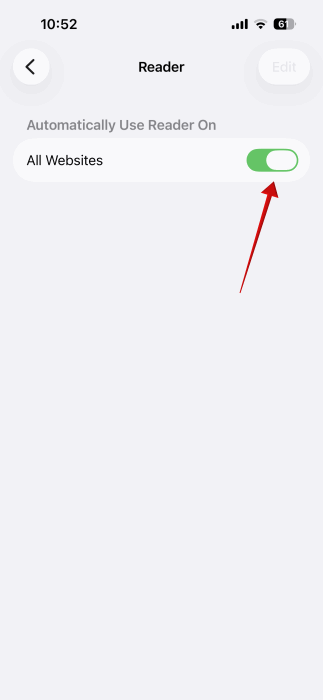
On your phone, you now return to Safari and go back to a webpage. The standard view will suddenly appear, and then Reader mode will be. If you’re looking up other webpages from there, try to navigate through the site of . You’ll see the outcome is the same as you’re able to .
if you want to go back to the normal view, press the blue Reader mode icon in the address bar and press Hide Reader from there.
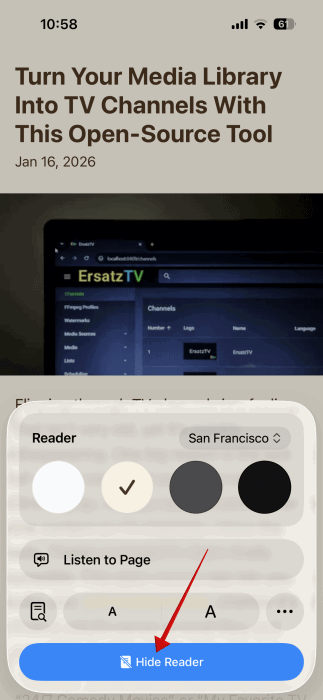
This does not deactivate Reader mode altogether. If you open another page, Reader mode will take over once again.
Force Reader Mode for Any Webpage on Android
But on Android, it is a bit more complicated than the case with . Google provides users with access to Reader Mode through Accessibility; however that option currently means downloading the Reading Mode app on your device first. An alternative solution would be to access via individual browsers.
Most Android users use Chrome as their default browser for Chrome. Most Chrome for Android does not provide a simple option to activate Reader mode in the browser on most devices. Yet, this is an easy trick to add a shortcut in the toolbar with that phraser. While it’s not automatic, this is a lot easier to switch to Reader mode.
Chrome Open Chrome on your device and navigate to this address chrome//flags, press Enter. Using the search bar and type Reader mode at the top, use the Search bar. Find the Reader mode triggering option for ? It should be **Default**** to set it up as a .
Change this to All articles. Then tap Relaunch at the bottom.
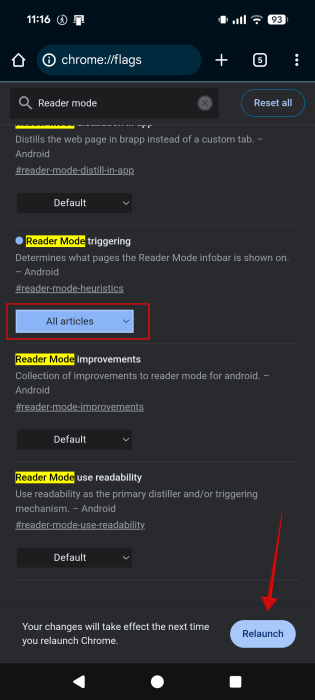
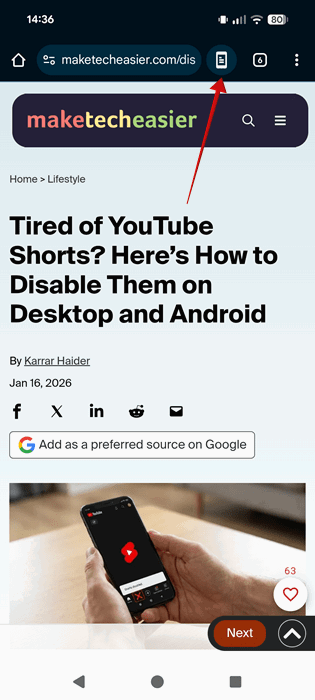
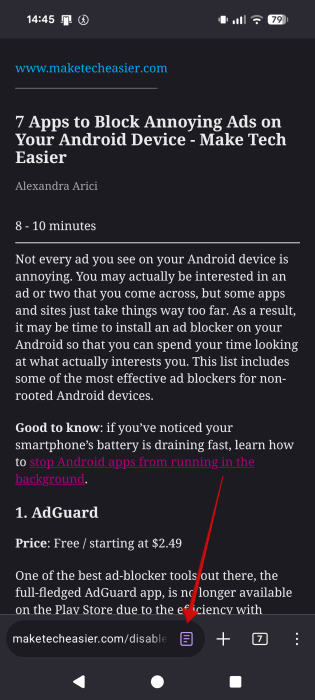
The Chrome will be reopened with . Click here to get a page for . Hence you should notice a Reader icon in the address bar. It can easily switch to Reader mode, which will open in a new window when s use it. If you want to return to normal mode, then you can close this.
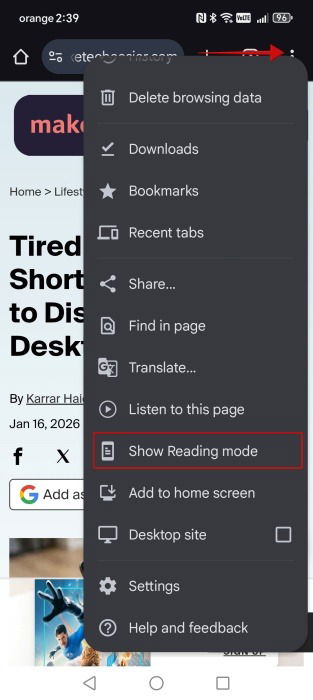
In Android, Google appears to be rolling out a Reader mode redesign for Chrome that allows you to activate it by tapping the three dots in the upper right corner and then selecting Show Reading mode. This is currently only available on select phones with . But the other answer is easier for me though, I still find that .
A Reader mode icon in the address bar is already present in other mobile browsers, including Firefox. I don’t need anything to add one.
Tip : looking to upgrade to an AI browser? Strawberry might be your answer.
Force Reader Mode for Any Webpage on PC
On a PC, the easiest way to do this is to use ‘brave-like browser (which provides native option for doing so) or Brave which offers an alternative of using.
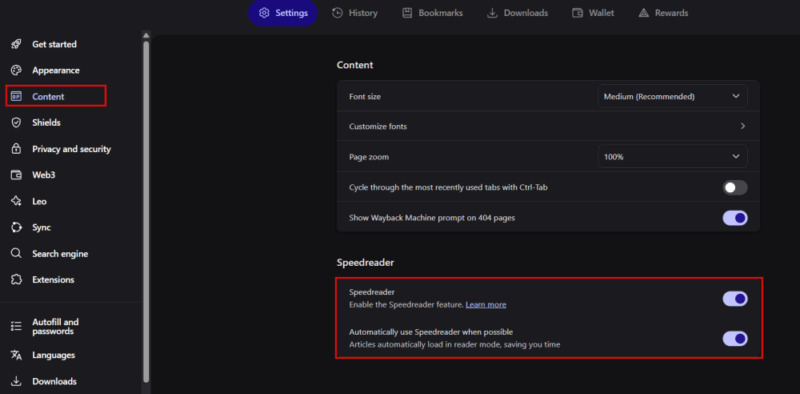
When using Open Brave, go to Settings and open brave on your device. Scroll down to Content for . Please check the Speedreader section and make sure you turn both options on. This allows Brave to open article pages in Reader mode whenever he can.
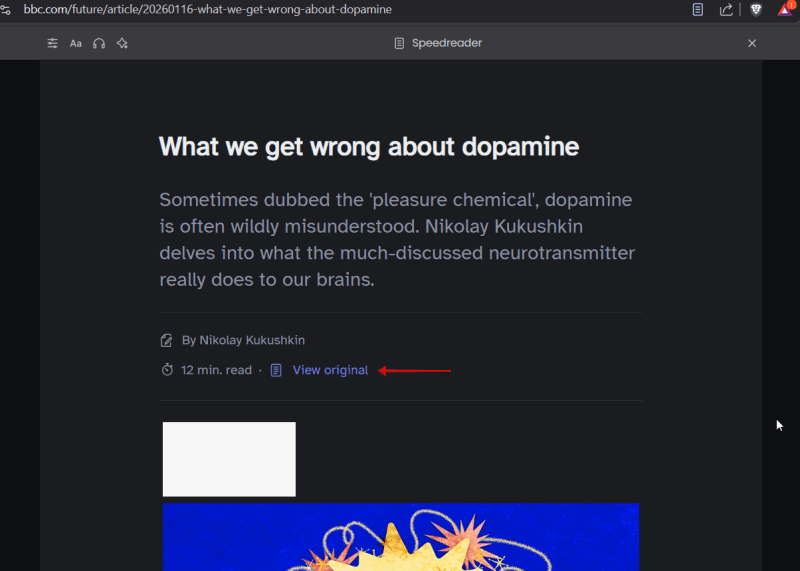
Reader mode automatically works when opening articles from sites such as CNN, BBC and similar. Nevertheless, Brave would not force Reader mode on our own MTE website. Brave even does have a default-inited Reader mode button in the address bar, so you can manually enable it for articles that don’t automatically switch.

In order to revert back to the standard webpage view, you must look for the View original button at top of the page. Meanwhile, you might want to know how to convert Brave into an RSS reader easily.
You’re a Firefox user, so you need an extension to force Reader mode on any page. How did I test Automatic Reader View for news sites and tech websites as MTE?
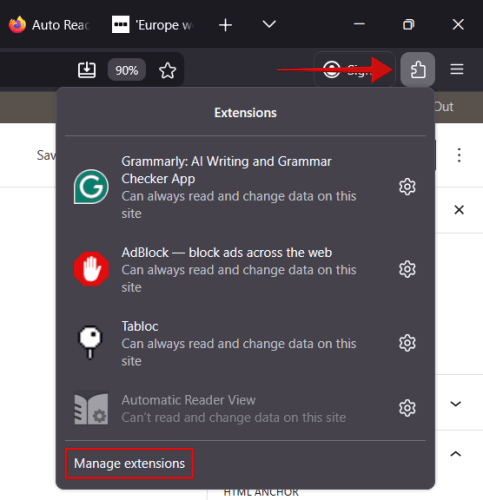
Once you install the add-on, you need to click the extension icon on the upper right and select Manage extensions.
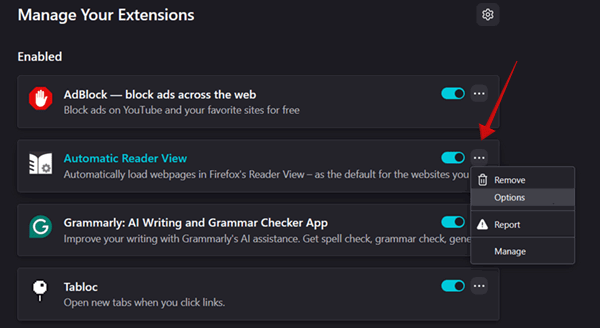
Find the Automatic Reader View add-on and click on the three dots next to it. Select Options.
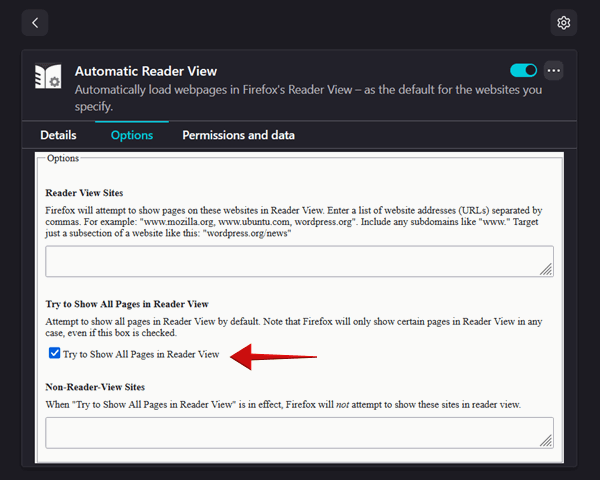
Select the option Try to Show All Pages in Reader View.
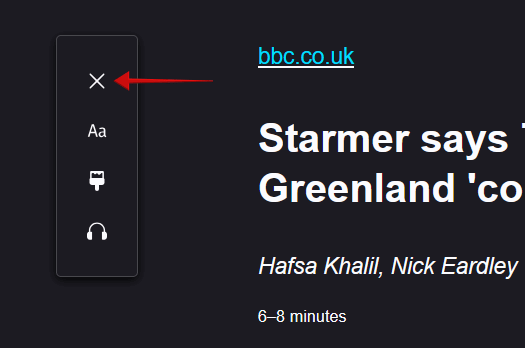
To go back to the regular view, click the X button in the menu at the top on the right.
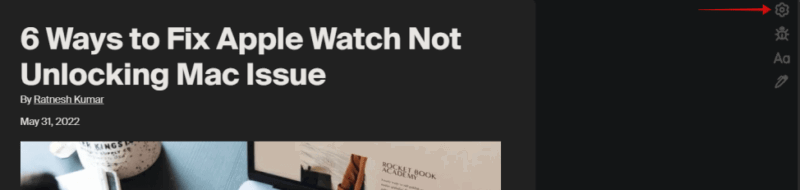
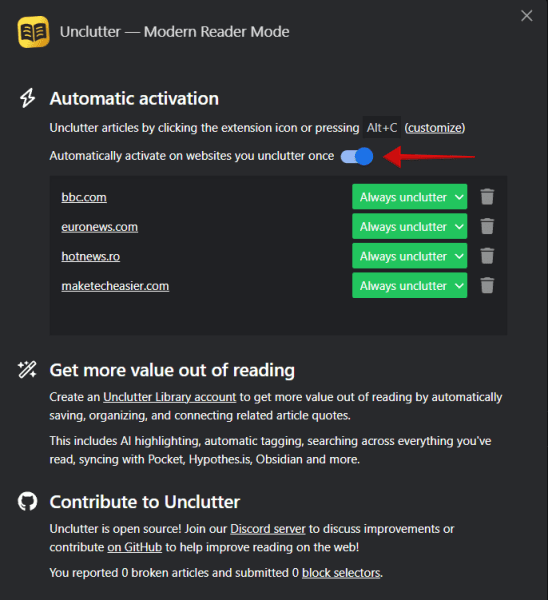
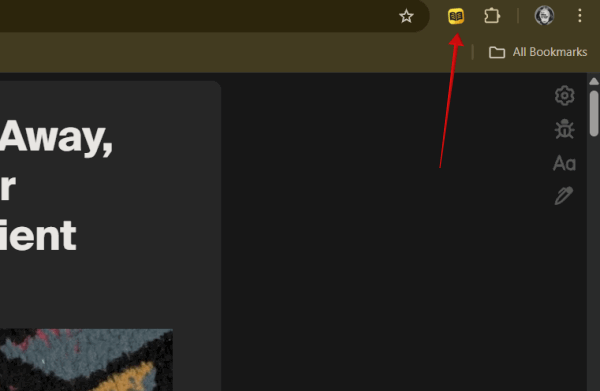
In the end, Chrome users should install the Unclutter extension. If you want to ensure that all future webpages are open in Reader mode, activate Unclutter for a page (by clicking its icon in the tool bar), then press the gear icon at the upper right corner of the browser.
Toggle on the option to Automatically activate in webpages you unclutter once. Hence, every page you open afterward will load in Reader mode when you activate the Unclutter button once.
To exit Reading mode, tap on extension icon once again.
On a Mac computer, using Safari, you can enable something like that by clicking the website settings icon and selecting Website Settings on. Check the box for Use Reader when available.
Where you go, it’s important to stay safe online no matter where you look up. How do you protect yourself from sophisticated malware like RedTiger, which steals data directly from your browser?
Thanks for reading I Use This Trick to Force Reader Mode on Every Webpage and Say Goodbye to Ads
