You’re going to buy a new pair of good headphones. How many different headphone styles and brands are there on the market today? You can’t choose the right ones because of this, which may make it harder for you to pick them. Spectacles of headphones are very technical and complex, which can easily be confused with headphone specs. In this guide, it scours the jargon to light up one of the most common headphone components (the driver) and how that affects audio quality.
Is **Good to know not sure which headphones to buy? Read here about the most popular types of headphones and their specificities. ** **
What You Need to Know About the Headphone Driver
If you can like any pair of headphones, the driver is the heart of that pair and transforms electrical signals into an auditory experience which you’ll love. Just simply put, it’s that element which makes the sound that comes to your ears. Do you think headphone drivers are little loudspeakers that fit inside your ear canal?

A driver unit includes three main components:
- Diaphragm – moves back and forth to create sound waves that human ears can pick up
- Voice coil – moves the diaphragm to create the sound you hear when an electric current passes through it
- Magnet – generates a magnetic field that can affect the overall sound quality of the headphones
A headphone driver is typically disc-shaped, and its size varies depending on the manufacturer and the required sound output.
Tip : learn how to set up you headphones for single-ear use in Windows.
Types of Headphone Drivers
The quality of sound that comes out of the audio device is influenced by the type of driver used in earphones, as mentioned above. What is a list of the different types of drivers that are used in earphones and headphones?
1. Dynamic (Moving Coil) Drivers
All drivers type mentioned here have the easiest setup of all driver types, with Dynamic drivers. They employ a magnetic magnet (usually neodymium) that generates ‘a Magnetic field which interacts with the voice coil’. An audio electric current triggered by an active voice coil causes rhythmic oscillation, which leads to the diaphragm participating in synchronized resonance.
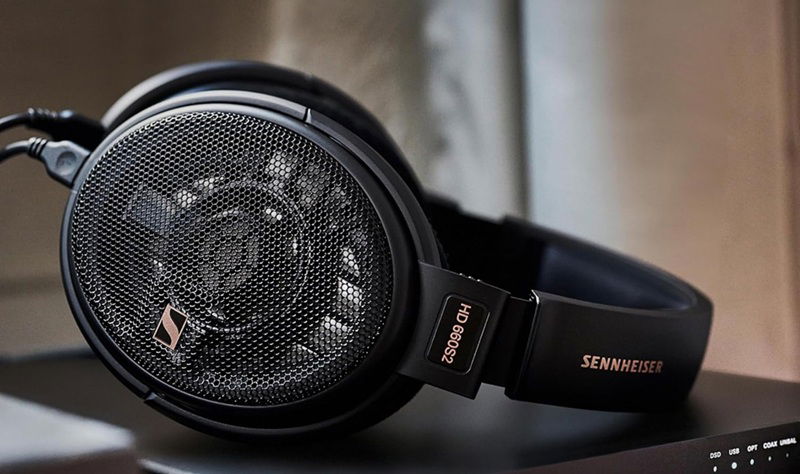
Despite their advantages of covering the entire frequency spectrum and being easy to power, one of the biggest complaints against dynamic drivers has been that it is possible to cause harmonic distortion at louder volumes. Thankfully, good engineering can counter the effect by paraphrasing it.
Typically, when it comes to lower-end and cheaper headphones, the standard driver is Dynamic drivers but they can also be used in some high-tech models (e.g. Sony MDR-Z1R).
2. Planar Magnetic Drivers
You’ll find this driver type for most of the luxury headphones on the market today. Despite the fact that most of these headphones are available as in-ear models, such as the Moondrop Golden Ages TWS, some in an out-of-the-box model (e.g) also exist for their own sake; while they usually come with open-back, over-arm headphones, there is also one option to make it possible and others have other versions on its headphones like this “The moondrop” or “over-head”, which has been described by many different types of audio players.”
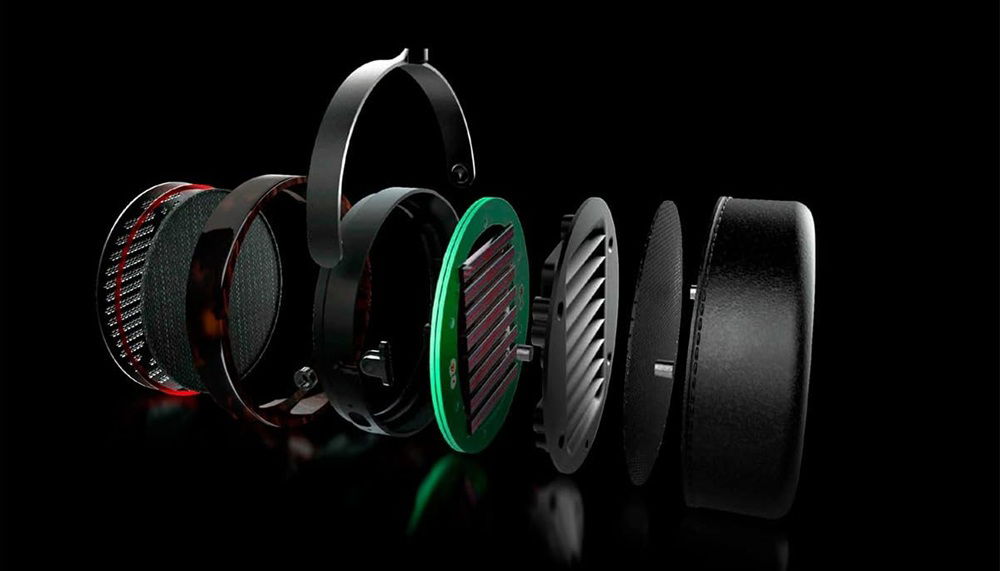
During this technology, a diaphragm is sandwiched between magnets of ‘paraphraggers’ in the same way. Like dynamic drivers, planar magnetic driver works by manipulating a magnetic field like dynamic driving. Nevertheless, these drivers use the thin flat diaphragm that directly responds to the magnetic field and produces sound as a result of this effect rather than using ‘a coil’.
Unlike many other changes or sound effects, planar magnetic drivers make an accurate and clean sound that gives you every bit of detail. They’ll be more expensive (but not always) in most high-end headphones, like the HiFiman Susvara.
Tip : with a good pair of headphones you can then take full advantage of Spotify lossless audio.
3. Balanced Armature Drivers
These are extremely small drivers; typically used with in-ear monitors. As their size allows manufacturers to add more than one driver in a single-earpiece because of their large s. Typically, most in-ear monitors have one to four drivers.

This type of driver is a coil around ‘arms (armature) in miniature, and the motor. A pair of magnets are also used to flank the armature with two magnetism. A magnetic field that interacts with these magnets is generated when an electric current flows through the coil, and armature oscillates to its spin. Since the diaphragm is connected to the armature, it will move synchronously with the latter and thus produce sound waves. Whenever the weapon revolves around the magnetic field, there is no net force applied to the armature and it has its “balanced armed arme” name.
Compared to dynamic drivers, one of the biggest drawbacks of balanced armature drivers is that they can’t reproduce the bass response. Why are some in-ear monitors not uncommon, for example, to have multiple balanced armature drivers and a dynamic driver as the latter compensates for the lack of bass response. The Shure AONIC 4 is another example of one such product.
4. Electrostatic Drivers
They’re very expensive, rare and are extremely expensive s. Electrostatic drivers, like charges, work on repelling each other and opposites attract. These vibrations are produced as the diaphragm pushes and pulls against two conductive plates (positive, negative) or two electrodes of voltages. A diaphragm carries the air through the walls of perforated and, together with the variable electrical current (which is also changing), generates sound waves.
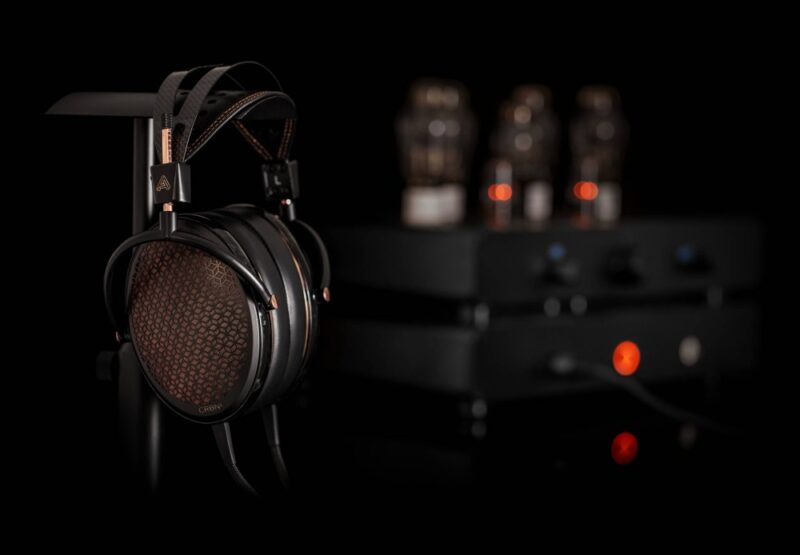
Most s require special amplifier for these to perform as well. So, assuming you’ll see this type of driver in high-end headphones that typically have an open-back design.
And, that said, they tend to produce a high quality of sound with incredible accuracy.” They are expensive for this reason and only come in premium headsets such as the STAX SR-X9000 flagship model.
FYI : you can further enhance your audio experience by using tools like FxSound.
5. Piezoelectric Drivers
Piezo electric driver(s) (or PZT), not to be confused with electrostatic drivers, are a unique type of driver that has been used in some modern hybrid headphone models such as the distinctive-looking Geekfly GF3, which also pairs ’10mm dynamic driver’.
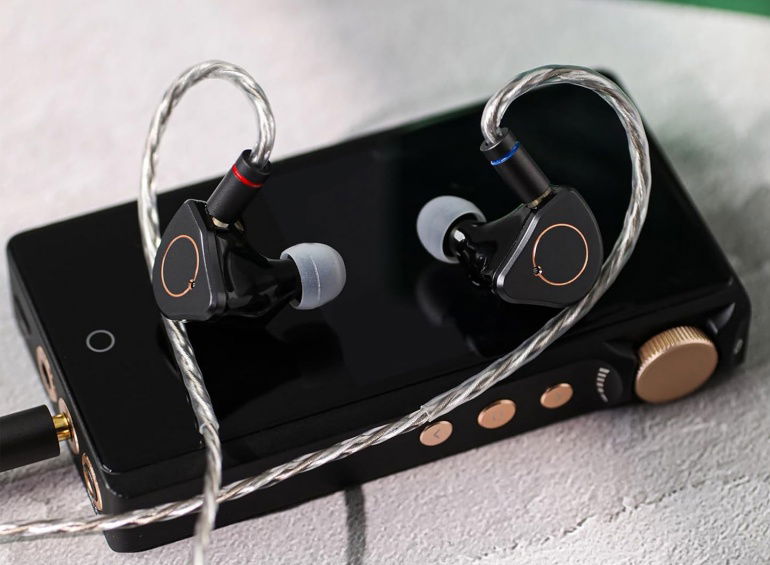
Piezoelectric drivers are driven by a piezo-electric material (usually crystal or ceramic) between two electrodes of the same device. If the piezoelectric material either expands or contracts, depending on the polarity of the signal when applied across the electrodes by an electrical signal, and is then expanded (or contracted)? In this mechanical deformation, the diaphragm is used to produce sound waves by generating sound from these wave-producing sounds.
Why are these drivers so good about them? They can convert even the weakest audio signal into sound, reproducing it with clarity and reliability. Because manufacturers can fine-tun only these drivers because the piezoelectric materials are very high, this can lead to poor sound and large power consumption.
6. Bone Conduction Drivers
In these drivers, they can transfer direct vibrations directly to the user’s inner ear (bypassing the oreilledrum) through bone conduction. Such headphones have this driver type, designed for users who need situational awareness to keep track of environmental noise while using the headphones or people with hearing impairments.

And if you’re getting into bone conduction drivers, for sure, you’ll be trading usability for quality. There is no match for this category of s as far as the other types – from high-class sound delivery to quality sound delivered.
However, there are a growing number of manufacturers that are making bone conduction headphones (including more affordable models like the Nank Runner Diver2). Watch Our Bone Conduction Headphones Guide for more suggestions – check out our bone conduction headphones guide.
7. Ribbon drivers
Ribbon drivers are a rare form of headphone driver that employs an ultra-thin metal diaphragm (called ‘a ribbon) suspended in. magnetic field, and is known as ” Ribbon Drivers”. In such a case, in this arrangement the ribbon is both the conductor and diaphragm.
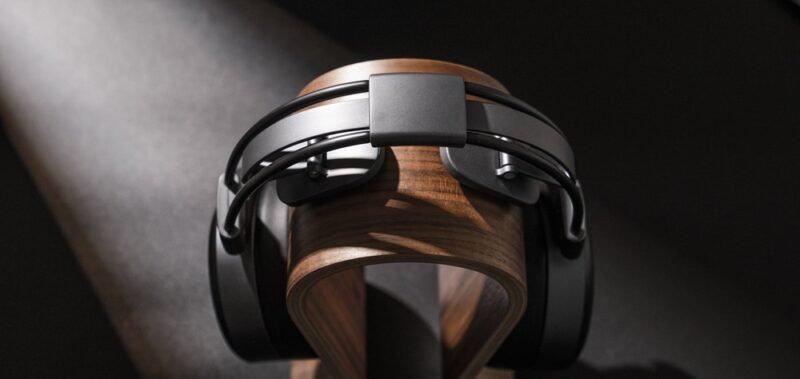
An audio signal generates and interacts with the magnetic field when it passes through the ribbon, which is a source of sound that produces an audio signals. Hence, this makes the ribbon go back and forth with sound as it is passed through by .
Typically, ribbon drivers are used to drive headphones that deliver lightning-fast response, as well as exceptional detail and very low distortion. The trade-off is a waste of time, most require strong amplify and are not practical for portable use. Thus, ribbon drivers are largelyconfined only to small-scale design designs (e.g., the RAAL SR1a). Similarly, newer models like the Sineaptic SE-1 offer a more practical form factor (and also has sex array driver dual ribbon array)
How Headphbone Drivers Affect Audio Quality
Headphones sound quality is a product of many factors that play into the choice of whether they are good or bad. Here we address some of the most important things below.
Driver size
A normal headphone driver typically has a range of 8mm to 15mm in diameter, and if he is able to drive from 20mm or 50mm (50mm) in dia. Typically, the size of a driver determines how loud headphones are in general.
A large-sized is a big deal, according to many who think the larger the size of the sound will be better. Although this is a little true, due to an even bigger diamuragm, the bass may be slightly cleaner. However, large drivers of headphones are a problem for reproducing high frequencies (treble), too at the same time.
Biger drivers can produce more output, but this doesn’t mean they give overall better output. The difference is that it’s the quality of driver unit and different materials inside, which makes a big difference. Google’s Pixel Buds are a good example of . Despite being very small with such tiny drivers, these earbuds are quite compact but sound quality that is comparable to other brands’ larger drivers.
Driver unit enclosure & tuning
Another example of headphone drivers determining audio quality is Audio Technica, which provides an example for the headphones driver. In addition, this company produces two high-end headphone models the M40X and the m50X. 40mm drivers are used in the M40X, 45mm driver for the F50X. The M50X is a larger driver, so you can automatically assume that the sound of the M5X makes it more efficient. But this’s not entirely true.
That’s, manufacturers tune headphones very differently. A tuning, pads and enclosures of the M50X are slightly sharper than the ones in the ‘M50x’ with a flatter-and more neutral signature. Hence, it should be noted that the type of padding used and the enclosure of the cup actually affects the sound more than the drivers.
The size of the driver affects output and frequency range of headphones in a nutshell, as does the size. But if you buy the , you should not just be sure what size of the drivers is in your buying decision. The quality of sound is more important than the size of the drivers used by , and there are other factors (such as type of drivers or padding) that affects it.
Quality of drivers
A pair of headphones (multiple drivers (per side) is not guaranteed better sound as with driver size, just like having a couple of drivers on board does.
Each drivers are used by multiple driver headphones to control a specific range of frequencies (audio bass, mids and even treble etc.). That should be enough to get better sound quality on paper, but a poor multi-driver unit will always perform worse than if it is based on mediocre performance of slack single driver.
More recently, as the driver technology has become more capable, and our knowledge of headphone sound tuning is better than we used multiple drivers – it’s no longer an absolute necessity. Can headphones with one type of drive be better for sound, like ?
Tip : check how to easily fix audio file metadata, if you ever need to.
Which Headphone Driver Should I Choose?
Choosing headphones is entirely up to you, as well as what you’re going to use them for. If you’re a fan of music and want something that hits very well, to get yourself in the air at once with dynamic drivers. Go for the headphones? They are a stellar in terms of bass delivery, and good sound pressure without using much power.

But if you plan to use the headphones just for gaming, most likely won’t care about the bass or the mid-lows. Audio devices with balanced armature drivers should be preferred in this case, as is the case of . For example, if you listen to music while out and about, you may want to look at models with bone conducting drivers (they encourage spatial awareness).
If you’re an audiophile, then we probably don’t need our advice on what to buy headsets but are offering it anyway. For planar magnetic drivers, follow the phrase Go. When you don’t have to be limited by budget, electrostatic drivers will keep your interest more high if you are curious about headphones. And even if you’re in a field where high-frequency accuracy is important, such as audio engineering or some aspects of music production, then you might benefit from the specific sound profile of piezoelectric drivers.
When you’re soon going to be introducing a new audio device into your life, it is also important for me to learn how to clean your headphones and earbuds safely and prolong their life cycle.
Thanks for reading What Is the Headphones Driver and How Does It Affect Audio Quality


